Cruising solo offers a distinct sense of freedom. It places the focus entirely on the destination rather than on compromising with a group.
Small-ship cruising empowers the independent traveller to access remote corners of the globe with unexpected ease. The vessel serves as a reliable, moving basecamp.
It handles the logistics of reaching wild coastlines, leaving the passenger free to observe and explore. There is a quiet confidence in this style of travel.
It allows for a genuine connection with the surroundings, offering a seamless way to experience the world’s most interesting routes efficiently and entirely on one’s own terms.
The Advantage of Small Expedition Vessels
CONTENTS
Opting for a small expedition ship changes the travel dynamic completely. With lower passenger numbers, the environment feels purposeful and manageable. It isn’t about getting lost in a crowd; it’s about sharing a specific interest.
The atmosphere on board tends to be naturally inclusive because the focus is outward. Guests gather on the observation decks to spot wildlife or chat in the mudroom while preparing for an excursion.
It creates an easy, low-pressure camaraderie. Conversations start organically over shared experiences, like a rough zodiac crossing or a rare bird sighting.
The ship’s size allows it to dock in tiny harbours or drop anchor in narrow fjords that larger liners simply cannot reach.
This access provides a sense of exclusivity and privilege. For the solo explorer, it means less time queuing and more time on the ground, making every day feel productive and full.
Cold Climate Frontiers and Wildlife
The biting cold changes how people behave. It strips away the pretence. When travellers explore Arctic expeditions, the days are driven by pure, unscripted excitement.
It is wonderfully raw. You spend hours in heavy gear, standing on the deck, waiting for something incredible to move.
For a solo traveller, this silence is actually perfect. You do not need to fill the air with chatter. You just watch.
The routine is dictated by the weather, not a printed schedule. If the captain sees a gap in the pack ice, the ship moves. It feels reactive.
Meals become quick warm-ups between zodiac rides. You sit with whoever is around, cheeks flushed from the wind, talking happily about what you just saw.
It is a shared endurance. The isolation of the landscape makes the ship feel safe, warm, and necessary. It connects people much faster than any awkward formal party ever could.
River Cruising for Cultural Immersion
River boats offer a different pace, cutting straight through the heart of a country. Navigating the Mekong or the Amazon places the traveller directly in the flow of local life. The proximity to the riverbank creates a constant, moving connection with the culture.
A solo passenger can sit on the balcony and watch fishermen working their nets or children cycling to school just metres away. It provides a rich, rolling visual context that ocean routes often miss.
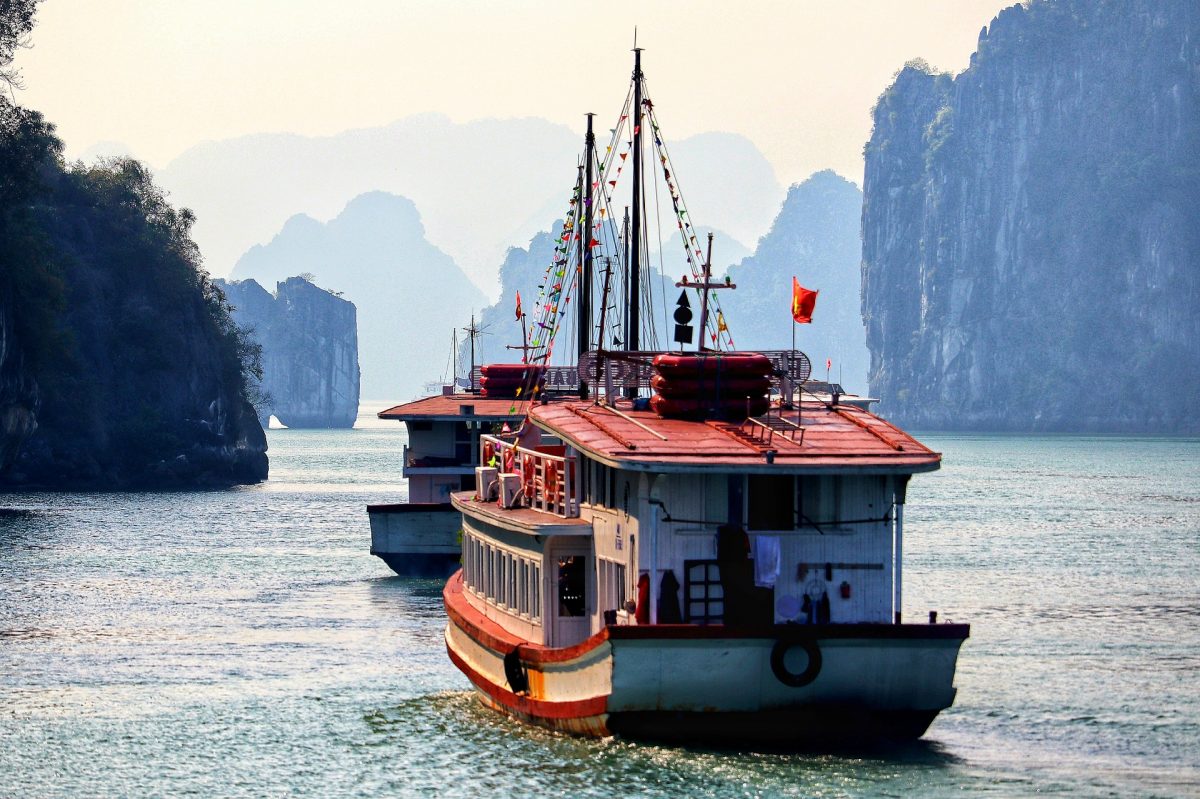
The stops are frequent, breaking up the day with guided walks to temples, markets, or villages. These small-group excursions provide a comfortable structure, allowing for deep exploration with the safety net of a knowledgeable guide.
The boats are generally stable and quiet, moving at a speed that allows for genuine observation. It is an immersive way to understand a region, offering a front-row seat to daily existence without the rush.
Tropical Adventure Beyond the Beach
Warm-weather voyages can be just as rigorous and rewarding as polar ones. In regions like Central America, the ship acts as a gateway to dense biodiversity that is difficult to access by road.
For instance, looking into amazing cruises to Costa Rica uncovers itineraries that prioritise nature over relaxation. The days are spent actively and alert.
Passengers might kayak through silent mangroves at dawn or hike wet trails to find sloths and toucans. It is a physical experience that leaves little room for boredom.
The humidity and heat add a layer of intensity to the adventure. Returning to the ship feels like a well-earned reward after a day of sweating in the jungle.
The ports of call are often small communities where the interaction feels grounded and real. It offers a way to see the tropics with a focus on ecology and activity rather than just tourism.
Practical Considerations for Solo Bookings
The logistics of booking a solo trip have improved significantly in recent years. The industry is recognising the value of the independent traveller. Many expedition lines now provide dedicated solo cabins that avoid the single supplement entirely.
Even without a specific single room, ‘willing to share’ programmes allow a traveller to pay the standard twin rate, with the operator pairing them with another passenger of the same gender.
It is a smart way to keep costs down. On board, dining arrangements are increasingly flexible. Open seating is the norm on expedition ships, which suits the solo traveller perfectly.
It allows one to join a table of new acquaintances, eat with the expedition team, or enjoy a quick meal alone while reading a book.
Inclusions are also worth checking; getting gear, excursions, and transfers included upfront simplifies the budgeting process, leaving the traveller free to enjoy the trip.
Why Delay the Adventure Any Longer?
Waiting for a travel partner often leads to missed opportunities. Solo cruising removes that dependency, offering a secure and efficient way to see the world’s wildest places now.
The industry has adapted to welcome the individual, providing routes and ships that cater to curiosity and independence.
Whether it is the silence of the ice or the noise of the jungle, the experience is there for the taking. The ship provides the means, but the adventure belongs to the traveller.
It is a chance to reset, learn, and explore without compromise. So, why not pack the bag and let the current lead the way?

- Lazo EcoSpot Vythiri Review: Honest Wayanad Resort Verdict - September 15, 2026
- Lazo Golden Valley Resort, Munnar: Honest Review After Two Nights - September 14, 2026
- Autumn in Japan: Things to Do and Experience - September 3, 2026