Real travel often feels like work. It isn’t just sitting by a pool; it involves deciphering a foreign system without a manual.
Most tourists stay behind glass, watching a destination pass by like a film, but immersion requires breaking that screen.
It demands stepping directly into the friction of daily life. This shift usually needs a local hand to unlock the doors, be it a guide or a specific rental setup.
When a traveller stops trying to tick boxes, they actually start to learn. It is a move from gathering photos to gathering facts, valuing depth over sheer mileage.
The Mississippi River, USA
CONTENTS
The American South is vast, flat, and difficult to read from a car window. The Mississippi River creates the geography here, carrying the weight of the region’s agricultural and industrial economy.
It is a working river, full of barges moving grain and steel, not just a scenic backdrop. To understand the scale of the 1927 floods or the cotton trade, one has to be on the water.
The perspective from the bank is simply too limited to grasp the magnitude.
History here is thick and often uncomfortable. When travellers enjoy a Mississippi River cruise, they access towns like Vicksburg, where the 1863 siege defined the Civil War’s outcome.
Docking at these small ports allows for a direct inspection of the antebellum architecture and the levees.
It connects the visitor to the engineering battles man has waged against the water. It’s a study in logistics, geography, and survival, far removed from standard tourism.
Hanoi, Vietnam
Hanoi assaults the senses immediately. Founded in 1010, the city is a dense, humid grid where life spills onto the pavement.
The Old Quarter’s ‘36 Streets’ are not built for walking; they are commercial arteries clogged with five million motorbikes.
Navigating this chaos without a local fixer is exhausting. A guide here is a safety necessity, steering visitors away from tourist traps and towards the grim, fascinating reality of the railway cafes where trains pass inches from the tables.

The food culture is equally complex. It isn’t enough to just eat; one must know the history. A local expert points out the specific stall serving Bun Cha prepared the traditional way, over charcoal, distinguishing it from the gas-cooked versions sold to foreigners.
They explain that Ca Phe Trung (egg coffee) was born from the 1940s milk rationing. These specific, hard facts turn a meal into a history lesson.
Sicily, Italy
Sicily is not Italy; it is a complicated island defined by invasions. The architecture in towns like Noto reflects the massive 1693 earthquake, a violent history written in baroque stone.
The island runs on a strict, slow clock that confuses outsiders. Shops shut tight in the afternoon. Staying in a hotel insulates a visitor from this reality.
To understand the controra—the mid-day silence—one needs to live through it, not just sleep through it.
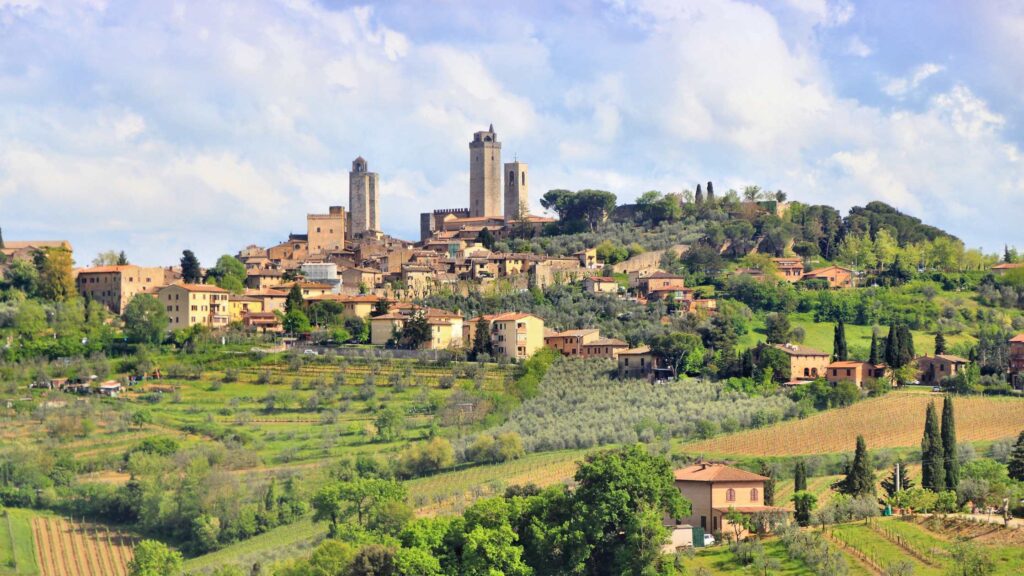
The choice of base changes everything. By choosing villa rentals in Sicily with Wishsicily.com, a traveller is forced to engage with the infrastructure.
It means navigating the noisy fish markets of Catania for dinner or figuring out the complex local recycling schedules.
These are not glamorous tasks. However, they are real. Handling domestic chores in a foreign language teaches more about Sicilian patience and character than any guided bus tour ever could.
Kyoto, Japan
Kyoto is a city of silence and strict, unspoken rules. With 1,600 temples, it feels preserved in amber, but the social etiquette is very much alive. The Gion district is not a theme park; it is a working neighbourhood for Geiko and Maiko.
Walking here requires an awareness of space and respect that isn’t intuitive to Westerners.
A guide is crucial, not to lecture, but to prevent the visitor from making embarrassing social errors in a culture that values conformity.

The tea ceremony, or chadō, is the ultimate exercise in precision. It isn’t about the drink. It is about the angle of the bowl and the specific seasonal wagashi sweet served alongside it.
Watching an artisan whisk the matcha reveals a discipline honed over centuries. It is a factual demonstration of Japanese values: focus, ritual, and perfectionism.
This isn’t entertainment; it is a rigorous cultural practice that demands total attention.
The High Atlas, Morocco
The High Atlas Mountains offer a brutal, beautiful contrast to the cities below. Mount Toubkal towers at 4,167 metres, creating a physical barrier that has preserved the Amazigh (Berber) way of life. The terrain is harsh, dusty, and steep.
Hiking here isn’t a leisure activity; it is a physical challenge that requires a local guide to navigate the unmapped mule tracks connecting the villages.
These settlements, built from packed earth, disappear into the brown landscape.
Hospitality here is a survival mechanism. Lunch is often a simple vegetable tagine shared in a local home, eaten with bread from a communal plate. It strips away the luxury of modern travel.
The experience is defined by the heat, the dust, and the silence of the valleys. It offers a raw, unfiltered look at rural subsistence living. There is no performance here, only the hard reality of life at high altitude.
Does the Search for Authenticity Outweigh the Appeal of Convenience?
Travel ultimately comes down to a calculation. Is the ease of a pre-packaged tour worth the loss of context?
Staying in an international hotel chain guarantees a hot shower, but it seals the visitor off from the social contract of the destination.
Breaking that seal requires friction, missed trains, language barriers, and physical fatigue. Yet, this is the price of admission for genuine data.
It shifts the traveller from a consumer of sights to a student of life. If the objective is to truly know the world, does the search for authenticity not outweigh the appeal of convenience?

- Lazo EcoSpot Vythiri Review: Honest Wayanad Resort Verdict - September 15, 2026
- Lazo Golden Valley Resort, Munnar: Honest Review After Two Nights - September 14, 2026
- Autumn in Japan: Things to Do and Experience - September 3, 2026