Adventure travel isn’t just about adrenaline rushes. It is really about the journey itself, moving from A to B while watching the landscape shift.
Choosing a specific route means committing to the weather and the terrain.
This guide covers five distinct paths across different continents. These are not standard holidays; they are physical tasks requiring real preparation.
From Chilean ice fields to the African bush, each offers specific logistical challenges. The focus here is on the movement and the reality of the trail.
It is about being there, boots on the ground, dealing with whatever comes next.
The W Trek Tour, Patagonia
CONTENTS
Torres del Paine in Chile is home to one of South America’s most well-known routes.
The W Trek spans approximately 80 kilometres, taking four to five days to complete. Hikers walk through three main valleys, seeing Grey Glacier, the French Valley, and the famous granite towers.
The weather changes fast, with strong winds often forcing people to stop or adjust their pace.
Accommodation is a mix of campsites and refugios, which are basic shelters with shared dorms. Booking early is essential as spots fill up months ahead.
When going on Patagonia W trek tours, many groups find that pre-arranged logistics help, as heavy camping gear is often moved by porters. This lets hikers focus on the climbs rather than the weight.
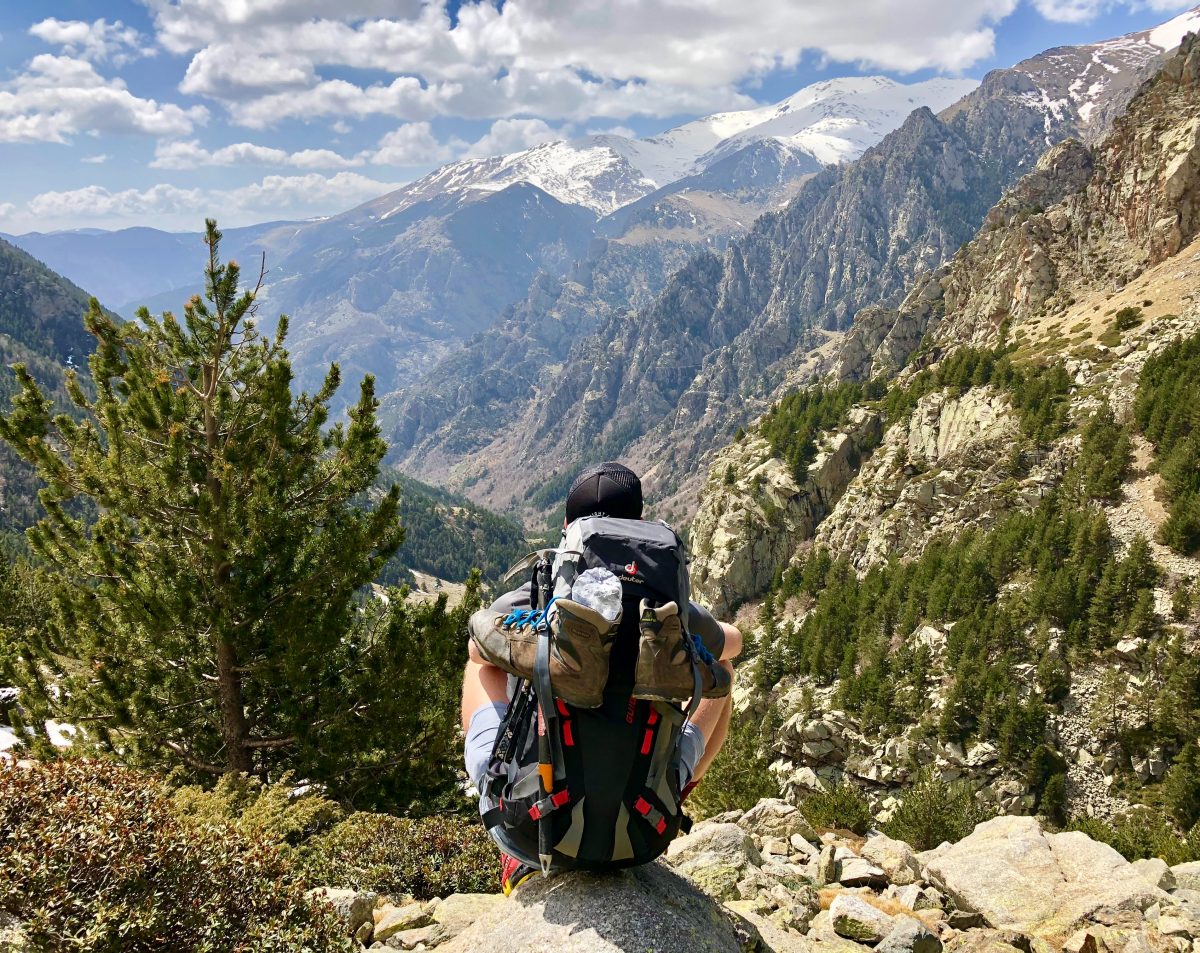
The terrain includes steep sections over loose rocks, so good boots are necessary for anyone trying the full circuit or the W. It is tough, rewarding work.
The Annapurna Circuit, Nepal
Walking the Annapurna Circuit teaches lessons in altitude and stamina. This route circles the Annapurna massif and used to take three weeks, though road construction has shortened the walking days.
The path rises from humid, green lowlands up to the arid, high-altitude desert of Manang.
Teahouses line the route, offering dal bhat and unheated rooms for sleeping. This accessibility means camping gear isn’t needed, which lightens the load.

The biggest hurdle is Thorong La Pass, sitting at 5,416 metres. Crossing it requires a pre-dawn start to avoid high winds.
Altitude sickness is a real risk, so acclimatisation days are standard practice.
The descent into Muktinath changes the landscape entirely, revealing dry, Mustang-like terrain. It is a physically demanding route that relies on local village infrastructure.
The camaraderie among hikers is high because everyone is facing the same thin air and really long, steep climbs.
Safari, South Africa
Driving through Kruger National Park is a different challenge from walking a trail. The adventure here relies on patience and keen observation from a car.
Visitors usually wake up before dawn, when gates open, to catch predators while they are active.
The park has a huge network of tarmac and gravel roads, so regular cars can navigate the southern parts easily.
Seeing the Big Five is never guaranteed; hours can pass without a sighting. Staying at rest camps keeps visitors close to the action.

While self-driving is common, many South Africa safari experiences include guided game drives in open vehicles, where rangers see tracks that others miss.
The northern area is quieter, with mopane trees and fewer tourists. It needs more preparation regarding fuel and food, but offers a wilder atmosphere.
The dust gets everywhere, and the heat builds up by midday, making a midday break essential.
The Laugavegur Trail, Iceland
Iceland’s Laugavegur Trail connects Landmannalaugar and Þórsmörk, spanning 55 kilometres of volcanic ground.
It typically takes four days, with huts spaced evenly along the track. These huts must be booked months in advance, or hikers have to camp in designated spots.
The scenery shifts constantly, moving from rhyolite mountains stained in red to black obsidian deserts and glacial rivers.
River crossings are mandatory, requiring hikers to switch into river shoes and wade through freezing water. Water levels fluctuate with rain, sometimes making crossings tricky.
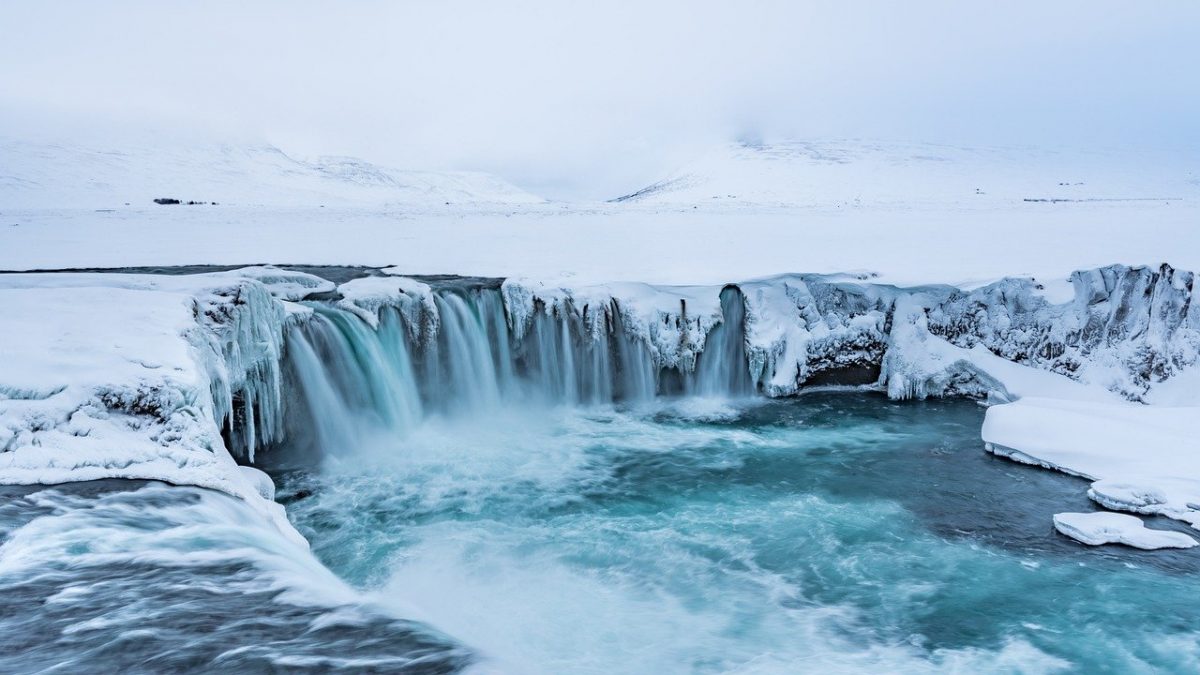
Weather dictates the schedule; fog and snow can descend even in summer, obscuring markers. Wardens at the huts provide daily updates on conditions.
The trail ends in the green valley of Þórsmörk, contrasting sharply with the barren ash fields crossed earlier.
It is raw, wet, and often very cold. A warm soak in a geothermal pool is the best possible reward for the effort.
The Overland Track, Tasmania
Tasmania’s wilderness is dense, and the Overland Track cuts right through it. Stretching 65 kilometres from Cradle Mountain to Lake St Clair, this walk is regulated to protect the environment.
Hikers must book a departure date and walk from north to south during peak season. The track varies from maintained boardwalks, protecting fragile peat, to rough roots and mud.
Weather comes from the Southern Ocean, bringing rain and cold snaps any time of year.
Side trips to Mount Ossa or waterfalls add distance but are worth it if conditions allow.
Huts are available, but carrying a tent is mandatory in case spaces are full.
Wombats and wallabies are common sights near campsites. It finishes at Australia’s deepest freshwater lake, where a ferry takes walkers back to civilisation.
The isolation here is profound, giving hikers a true sense of being disconnected from the modern world for a week.
What Makes the Journey Worthwhile?
Choosing a route is the first step, but completing it is where reality sets in. None of these paths is an easy option.
They require physical effort, logistical planning, and a willingness to be challenged.
Whether dealing with the altitude in Nepal or the dust in South Africa, the challenges are part of the process.
The memories usually come from the difficult moments rather than the easy ones. Preparation is the key variable that travellers can control.
With the right gear and a realistic itinerary, these routes offer a genuine look at the planet’s diverse geography. The effort invested pays off.

- Lazo EcoSpot Vythiri Review: Honest Wayanad Resort Verdict - September 15, 2026
- Lazo Golden Valley Resort, Munnar: Honest Review After Two Nights - September 14, 2026
- Autumn in Japan: Things to Do and Experience - September 3, 2026