There’s a reason Japanese poets have been writing about koyo – the turning of the autumn leaves – for over a thousand years. Somewhere between the last humid days of September and the first frost of December, the country transforms.
Maple trees along temple pathways ignite into deep crimson, ginkgo trees drop carpets of gold outside city shrines, and the punishing heat of summer finally gives way to crisp, walkable weather. If cherry blossom season is Japan’s most famous moment, autumn might be its most atmospheric one.
Here’s how to plan an autumn trip to Japan, where to go, and what to actually do once you’re there.
When Does Autumn Happen in Japan?
CONTENTS
Unlike the two-week scramble of sakura season, Japan’s autumn foliage rolls slowly across the country over roughly two months, which makes it far more forgiving to plan around.
The colour change starts in the mountains and in the north – think Hokkaido and the Tohoku region – from late September into October, then works its way south and down into the lowlands.
By mid-November through early December, the classic postcard spots like Kyoto and Tokyo hit their peak, with vivid reds, oranges, and yellows lighting up temple grounds and gardens.
A practical note: late September through early October can still be warm and busy with domestic holidaymakers, so most travellers get the best mix of comfortable temperatures, thinner crowds, and reliable colour by aiming for mid-to-late November.
Chase the Colour Through Kyoto’s Temples
If you only have time for one autumn destination, make it Kyoto. The city’s temples were practically designed with this season in mind – many were built around maple groves specifically so that monks and visitors could sit and watch the leaves turn.
Kiyomizudera, Tofukuji, and Eikando are consistently named among the most striking spots, especially in the late afternoon when the low sun sets the canopy glowing.
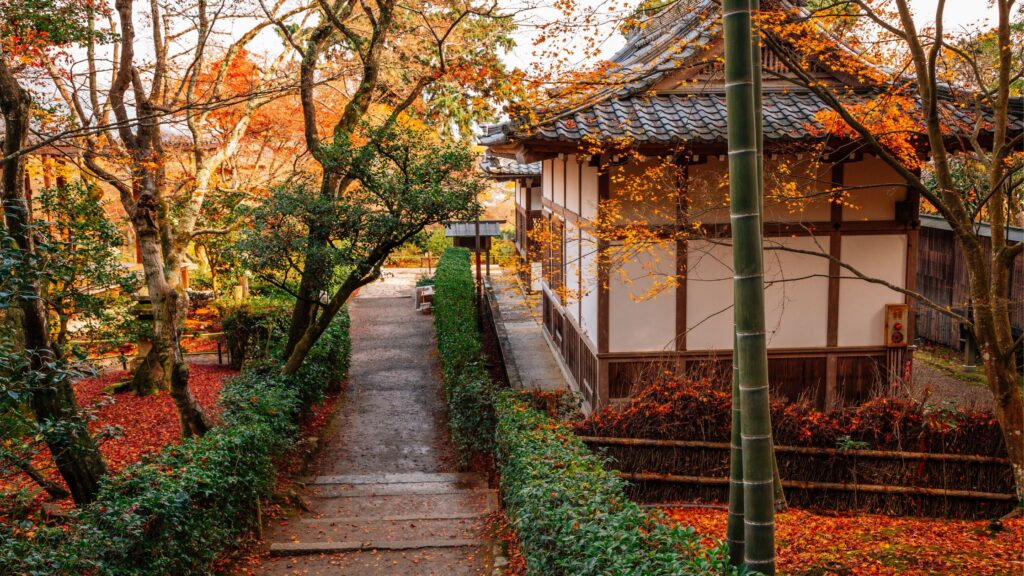
Arashiyama, on Kyoto’s western edge, pairs its famous bamboo grove with a river valley that turns spectacular shades of orange by mid-November, and many temples extend their hours for evening illuminations during peak season.
If you’re spending a few days in the city, my Kyoto 2-day itinerary shows how to fit the highlights in without rushing, and it’s easy to slot a temple-hopping autumn morning into that plan.
Tokyo’s Gardens Get Their Moment Too
Tokyo doesn’t get the same reputation as Kyoto for foliage, but it has a genuine highlight in Rikugien Garden, a beautifully landscaped Edo-period strolling garden where the maples are lit up in the evenings from mid-November into early December.
Meiji Jingu Gaien’s ginkgo avenue is another city classic – hundreds of golden trees lining a single boulevard, usually at their best in late November. Both are easy half-day additions if you’re based in the capital before heading further afield.
Mount Fuji, Reflected in Autumn Colour
For one of the most photographed scenes in the country, head to the Fuji Five Lakes region, particularly Lake Kawaguchiko.
Here, rows of maple trees along the lakeshore frame Mount Fuji itself, and on a clear, still morning the mountain reflects in the water alongside the crimson trees. It’s an easy day trip or overnight from Tokyo, and worth building in flexible timing since Fuji’s visibility depends on the weather.
Slow Down in Kanazawa and the Countryside
If Kyoto and Tokyo feel too well-trodden, Kanazawa on the Sea of Japan coast is a quieter alternative with just as much seasonal charm. Kenrokuen, considered one of Japan’s three great gardens, is genuinely stunning in autumn, and the city’s Edo-era samurai and geisha districts feel especially atmospheric under falling leaves.
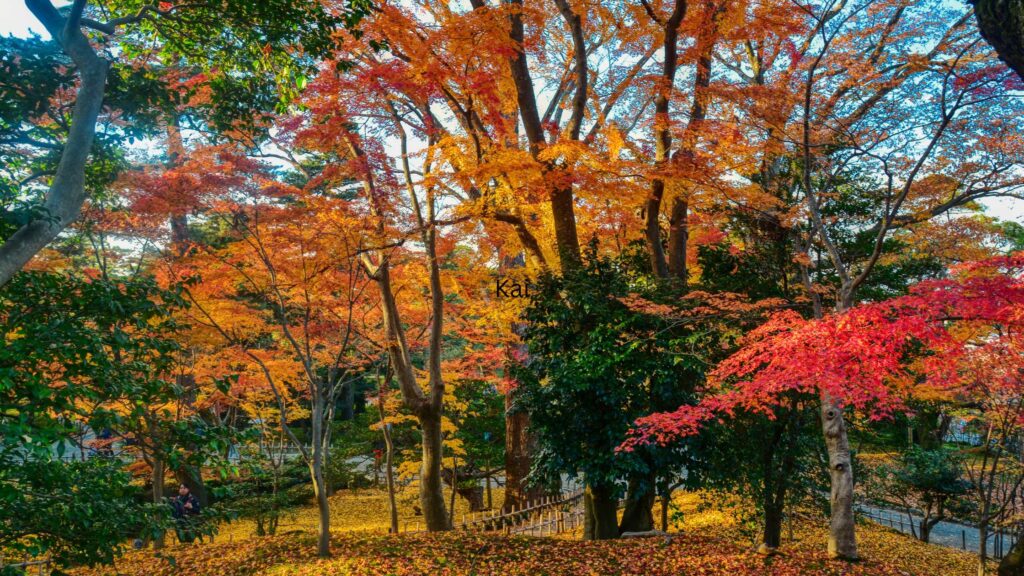
I’ve covered the city in more depth in my guide to things to do in Kanazawa, which is worth a look if you’re routing a trip beyond the usual Tokyo-Kyoto-Osaka triangle.
Further into the mountains, Nikko and the Kamikochi valley in Nagano offer some of the country’s most dramatic natural scenery, with shrines, gorges, and alpine peaks all wrapped in colour a few weeks earlier than the cities.
Ride the Rails Through the Changing Season
One of the best parts of chasing autumn colour in Japan is that the journey between destinations is often as scenic as the stops themselves.
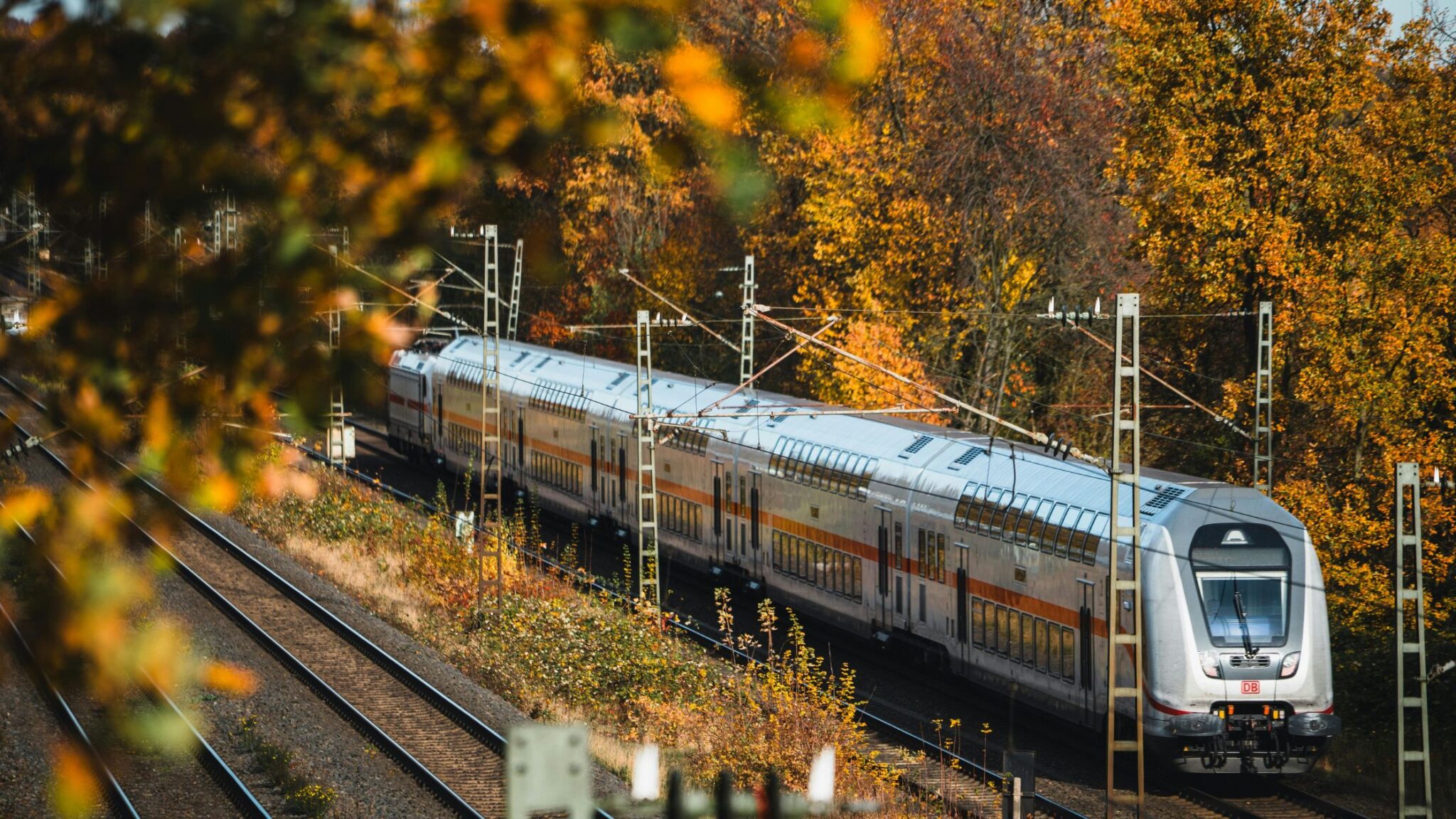
The shinkansen network makes it possible to go from Tokyo’s ginkgo-lined avenues to Kyoto’s maple temples to Kanazawa’s gardens in a matter of hours, with mountain ranges, rice terraces, and small towns sliding past the window the whole way.
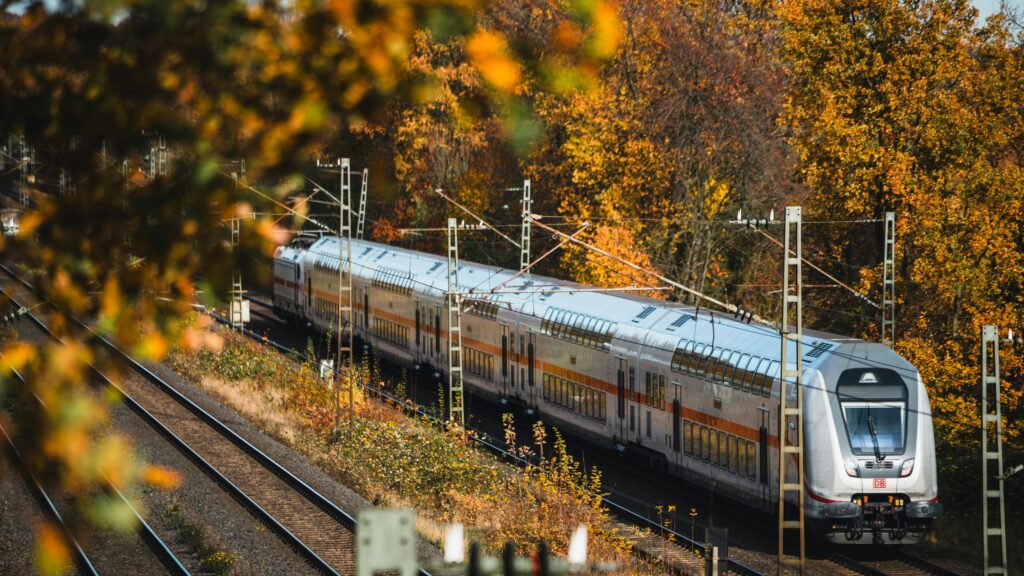
For travellers who’d rather sit back and let someone else handle the logistics, guided Japan rail tours can string together the country’s autumn highlights – cities, gardens, and countryside included – without the stress of booking individual train tickets and connections yourself.
Autumn Festivals Worth Building a Trip Around
Autumn in Japan isn’t only about foliage. It’s also festival season, layered right on top of the colour-viewing calendar:
Kyoto’s Jidai Matsuri (late October) is one of the city’s three major festivals, featuring a long procession of locals dressed in costumes spanning over a thousand years of Japanese history.

In Nagasaki, the Nagasaki Kunchi Festival (early October) is a centuries-old harvest celebration with dragon dances and elaborate mikoshi floats, reflecting the city’s history as a trading port.
Saga’s International Balloon Fiesta (early November) fills the sky with more than a hundred hot air balloons over the countryside, and it’s one of the more unexpected additions to an autumn itinerary if your route passes through Kyushu.
Eat Your Way Through the Season
Autumn is considered one of the best eating seasons in Japan, referred to affectionately as shokuyoku no aki, or “the autumn of appetite.”
Look out for matsutake mushrooms, a prized and fragrant seasonal delicacy usually grilled or served in clear broth; sanma, a rich, oily fish traditionally grilled whole and simply seasoned; sweet, dense kaki (persimmons), often seen drying outside homes in the countryside; and roasted chestnuts and sweet potatoes sold from street stalls in the cooler evenings.
If you’re travelling through smaller towns, autumn menus at local restaurants are usually worth prioritising over chain options.
A Few Practical Tips
Pack in layers. Mornings and evenings can be genuinely cold by November, even if afternoons are mild, especially anywhere near the mountains. Book ahead for Kyoto in particular, since peak foliage weeks in mid-to-late November are nearly as busy as cherry blossom season.
And keep your itinerary a little flexible: foliage timing shifts from year to year depending on temperatures, so it’s worth checking an updated forecast a few weeks before you travel rather than locking in exact dates too far in advance.
Japan’s official Travel Japan autumn guide is a reliable place to check seasonal timing and region-by-region highlights before you finalise your route.
Final Thoughts
Autumn is, for many repeat visitors, the season that quietly outshines spring. The crowds are a little thinner outside of a few famous weeks, the food is at its best, and the light – especially in the late afternoon through a wall of maple trees – is hard to describe until you’ve stood under it.
Whether you’re building a trip around Kyoto’s temples, Tokyo’s gardens, or a slower route through the countryside by train, autumn gives you a version of Japan that feels a little more contemplative than the rest of the year.

- Lazo EcoSpot Vythiri Review: Honest Wayanad Resort Verdict - September 15, 2026
- Lazo Golden Valley Resort, Munnar: Honest Review After Two Nights - September 14, 2026
- Autumn in Japan: Things to Do and Experience - September 3, 2026